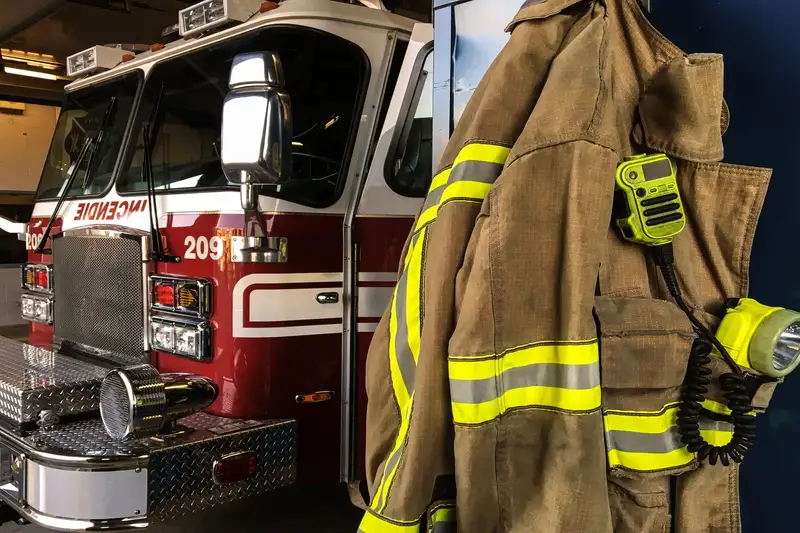
Shift Workers
Organizations
Sleep and fatigue education that supports your fatigue risk management program, for crews and dispatchers on 12-hour shifts. From Dr. Glenn J. Landry, PhD, with 30 years in sleep science.
Fatigue is a safety topic. In one study, fatigued EMS workers had 1.9 times the odds of injury and 2.2 times the odds of a medical error or adverse event. The authors call it preliminary evidence. The good news: the habits that protect sleep can be learned.
It has 10 lessons and about 6½ hours of video, with up to 28 days to finish. It costs C$495 per person (Canadian dollars). Training and education is one of the core elements of a fatigue risk management system in ACOEM’s guidance.
Results may vary depending on the changes you’re ready to make.
Surviving Shift Work® is funded by APBC (CUPE 873) for its members: BC paramedics and emergency dispatchers, and BC Emergency Health Services (BCEHS) staff, can take the full course free. Enrol through the APBC members area with your APBC or BCEHS email.
APBC has worked with fatigue experts since 2017. In 2018 it helped develop a two-day training program with Dr. Glenn J. Landry, PhD, piloted with key leaders including the employer, and Dr. Landry built the online course from it.
Training tells people what to do. A measured program shows whether it worked. Before the program we agree two or three measures with you; after it we show the group numbers. Individual results stay private.
Prices in US dollars.
Sleep coaching and education, not medical care.
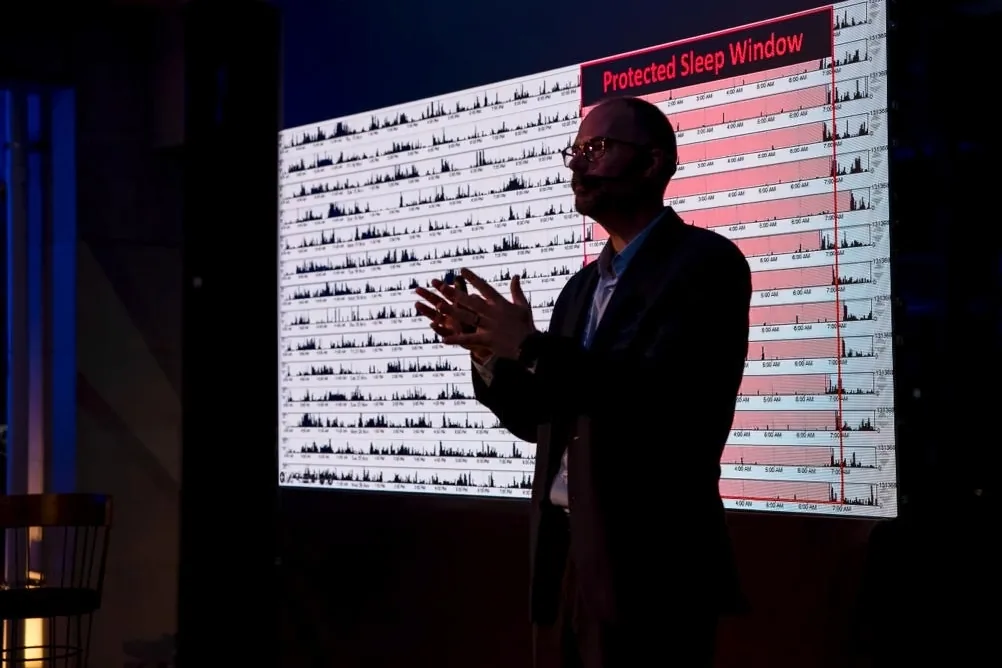
Dr. Glenn J. Landry, PhD
Clients most often tell us they finally understand what makes a good night and a bad one. Many describe steadier nights, calmer evenings and clearer mornings. Results may vary depending on the changes you’re ready to make. We guide you on your path toward Elite Sleep®. You do the work.
Yes. Dr. Glenn J. Landry, PhD, works with paramedic services, 9-1-1 and dispatch centres, and their unions. In 2018 he created a two-day circadian rhythm and sleep seminar for BC paramedics and dispatchers (13 CME credits), delivered in Victoria, Burnaby and Kelowna. Surviving Shift Work® grew out of it and became an online course in 2021.
No. It is sleep and fatigue education that supports your fatigue risk management program. Training and education is one of the core elements of a fatigue risk management system in ACOEM’s guidance.
Both. Crews and dispatchers often work the same 12-hour nights, and face the same drive home. The drive home after a night shift may be the most dangerous part of the shift. In a closed-track study, 6 of 16 drives after a night shift had a near-crash; after a night’s sleep, none did. You aren’t off shift until you’re home. Get bright light before you drive, and never wear blue blockers behind the wheel.
Best-practice guidance says to keep 12-hour night shifts to two or three in a row. If you’re going to be working more than two night shifts in a row, it’s really important to have training to lower the risks of back-to-back nights. By your fourth night in a row, your risk of getting hurt is about a third higher than on your first.
The online course is C$495 per person (Canadian dollars). Workshops are $750–$5,000 (a two-day program is $10,000), plus the course at C$495 per person. A measured program is built and priced with you for your service. Prices other than the course are in US dollars.
Only the group numbers. Before the program we agree two or three measures with you; after it we show the group numbers. Individual results stay private.